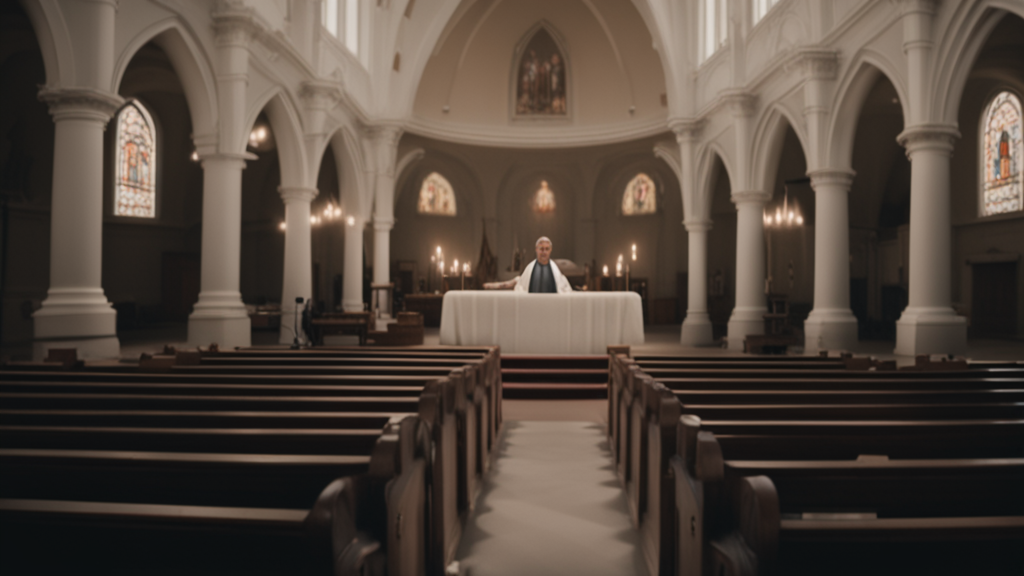
Lecrae, Druski, and the Mirror in the Pulpit: What a Viral Skit Reveals About the Church
The Hidden Spiritual Conflict
The internet loves a spectacle, and this week it got one: Druski’s satirical “mega-church” skit and Lecrae’s surprising defense urging pastors to “look within.” Some heard mockery. Others heard a mirror. But the real conflict is not comedian versus clergy. The real conflict is pride versus repentance, image versus integrity, platform versus the presence of God.
What makes this moment combustible is not the skit—it’s our sensitivity. The Church is called to be “the pillar and buttress of the truth” (1 Timothy 3:15), yet we often work harder to protect our brand than to pursue holiness. If a comedian’s caricature of church culture exposes our wounds, then perhaps those wounds are real—and perhaps God, in His strange mercy, is asking us to let Him heal them.
This is not about disrespecting pastors. Scripture calls pastors worthy of double honor (1 Timothy 5:17). This is about the difference between honor and immunity. When leaders become untouchable, congregations become unsafe. When we confuse celebrity with calling, our witness fractures. Jesus didn’t start a fan base; He established a kingdom. And that kingdom comes not through spin and optics but through truth and repentance.
The deeper spiritual conflict is the age-old battle Jesus confronted in His own generation: religion as performance versus faith as surrender. He warned, “Beware of practicing your righteousness before other people in order to be seen by them” (Matthew 6:1). The point is not to shame the Church but to save it from the quiet rot of performance-driven spirituality.
If we bristle at satire more than we grieve over sin, we may have lost the plot. The gospel is powerful enough to endure critique and honest enough to welcome correction. As Proverbs bluntly says, “Faithful are the wounds of a friend” (Proverbs 27:6). Sometimes those wounds arrive through unexpected messengers.
Why This Moment Matters for Our Souls
- Because God often uses discomfort to call His people back to Him (Hebrews 12:6).
- Because a church that cannot be questioned cannot be transformed (Psalm 139:23-24).
- Because leaders and laity alike are accountable to the Chief Shepherd (1 Peter 5:4).
This isn’t about picking sides between Lecrae and Druski. It’s about picking up a cross (Luke 9:23). It’s about asking, “Lord, what in me needs to change?” before asking, “What in them needs to stop?”
What the Bible Really Says
Scripture doesn’t tell us how to react to comedians, but it says a lot about how to respond to critique, how leaders should steward influence, and how congregations should discern spiritual health.
“Search me, O God, and know my heart! Try me and know my thoughts! And see if there be any grievous way in me, and lead me in the way everlasting!” (Psalm 139:23–24)
The first biblical reflex is not to defend our image but to invite God’s inspection. Before we analyze the culture, we submit to the Spirit.
“For it is time for judgment to begin at the household of God.” (1 Peter 4:17)
Biblical reform starts in-house. The Church’s credibility outside rises when holiness rises inside. When leaders practice visibility without vulnerability, we cultivate cynicism in a watching world.
“Not domineering over those in your charge, but being examples to the flock.” (1 Peter 5:3)
Pastoral authority is real—but it’s cruciform. The authority of Jesus is humble, sacrificial, and accountable. Leaders are called to model the gospel, not to monetize it.
“Beware of false prophets, who come to you in sheep’s clothing but inwardly are ravenous wolves. You will recognize them by their fruits.” (Matthew 7:15–16)
The metric is not attendance, budgets, or blue checks; it’s fruit—love, joy, peace, patience, kindness, goodness, faithfulness, gentleness, self-control (Galatians 5:22–23). A culture obsessed with metrics can’t measure what matters most.
“For am I now seeking the approval of man, or of God? ... If I were still trying to please man, I would not be a servant of Christ.” (Galatians 1:10)
If the fear of looking bad exceeds the fear of grieving God, we’ve traded our birthright for a bowl of likes. Repentance reorders that allegiance.
“Those whom I love, I reprove and discipline, so be zealous and repent.” (Revelation 3:19)
Jesus disciplines because He loves. A corrective moment is an invitation, not a cancellation. The Savior who confronts is the same Savior who restores (John 21:15–19).
When Satire Becomes a Sermon
Scripture shows God speaking through unexpected vessels—Cyrus (Isaiah 45:1), Balaam’s donkey (Numbers 22:28), and even the pagan sailors who rebuked Jonah (Jonah 1:6). If God could use a talking donkey to expose a prophet’s folly, He can use a comedian to expose our cultural blind spots.
“Let a righteous man strike me—it is a kindness; let him rebuke me—it is oil for my head.” (Psalm 141:5)
The wise receive rebuke as an act of grace, even when it stings. The foolish deflect and double down (Proverbs 12:1).
Honor, Not Immunity
“Let the elders who rule well be considered worthy of double honor, especially those who labor in preaching and teaching.” (1 Timothy 5:17)
The Church must protect its shepherds from slander. But Scripture also commands due process when accusations arise (1 Timothy 5:19–20), and it calls leaders to be “above reproach” (Titus 1:6–9). Honor means we guard their dignity; immunity means we shield their sin. The Bible endorses the former, never the latter.
The Lure of Spectacle
“Beware of practicing your righteousness before other people in order to be seen by them.” (Matthew 6:1)
Jesus warns against spiritual theater. In an age of stage lights and livestreams, the temptation to turn worship into performance is real. Yet Jesus also says, “Let your light shine” (Matthew 5:16). The difference? Motivation. Is our visibility serving God’s glory or our brand’s reach?
Repentance as Renewal
“If my people who are called by my name humble themselves, and pray and seek my face and turn from their wicked ways, then I will hear... and heal their land.” (2 Chronicles 7:14)
Repentance is not public relations—it’s spiritual renovation. It begins in secret (Matthew 6:6), flows into confession (1 John 1:9), and bears fruit in restitution and reform (Luke 19:8–9).
The Good News for a Weary Church
“A bruised reed he will not break, and a faintly burning wick he will not quench.” (Isaiah 42:3)
Jesus is gentle with the sincere and fierce with hypocrisy (Matthew 23). He is both the Lion and the Lamb. He doesn’t crush the repentant; He carries them. If this cultural moment has you disillusioned, hear the Shepherd’s promise: “I will restore to you the years that the swarming locust has eaten” (Joel 2:25).
3 Steps for Believers Today
1) Practice Mirror-Time Before Mic-Time
- Action: Before you post, preach, or protest, pray Psalm 139:23–24. Journal any conviction the Spirit surfaces. Share it with a trusted friend or elder for accountability (James 5:16).
- Why: Transformation begins with truth. Private repentance protects public witness.
- Scripture: “Keep your heart with all vigilance, for from it flow the springs of life.” (Proverbs 4:23)
2) Discern Fruit, Not Just Flash
- Action: Evaluate your church’s culture by Galatians 5:22–23. Do you see love, joy, peace, patience? If metrics are up but mercy is down, raise the right questions—with humility and honor (Ephesians 4:15).
- Why: Jesus measures health by fruit, not crowds (Matthew 7:16). Healthy churches welcome transparent evaluation.
- Scripture: “Test everything; hold fast what is good.” (1 Thessalonians 5:21)
3) Honor Leaders and Embrace Accountability
- Action: Pray regularly for your pastors (1 Timothy 2:1–2). Offer encouragement. If concerns arise, follow biblical process—go first privately (Matthew 18:15), then with witnesses, then to the church if needed. Refuse gossip; pursue restoration.
- Why: Honor and accountability are friends, not enemies. Both protect the flock and strengthen leaders.
- Scripture: “Brothers, if anyone is caught in any transgression, you who are spiritual should restore him in a spirit of gentleness.” (Galatians 6:1)
Bonus: Engage Culture With Courage and Kindness
- Action: When satire stings, listen before you lash out. Ask, “What truth might be hiding in this?” Then respond as an ambassador of Christ (2 Corinthians 5:20)—clear, compassionate, and courageous.
- Scripture: “Let your speech always be gracious, seasoned with salt.” (Colossians 4:6)
A Prayer for Courageous Repentance in a Spectacle-Driven Church
Father, search us and know us. We confess our love of image, our fear of man, and the ways we have confused platform with presence. Forgive us for protecting reputations more than righteousness. Teach us to honor our leaders while embracing accountability. Purify our pulpits, heal our pews, and renew our first love.
Lord Jesus, Shepherd of our souls, rescue the bruised and confront the proud. Where satire has exposed our blind spots, give us humility to repent. Where cynicism has hardened hearts, pour out the oil of gladness. Make us a people of truth, tenderness, and holy fire.
Holy Spirit, awaken discernment in Your church. Produce in us the fruit that no algorithm can counterfeit—love, joy, peace, patience, kindness, goodness, faithfulness, gentleness, and self-control. Restore integrity to our witness and power to our prayers. For the glory of the Father, in the name of Jesus, by the power of the Spirit, amen.
If a skit can shake our confidence, let it drive us to the only foundation that cannot be shaken: Christ Himself (Hebrews 12:28–29). Let’s be the Church that can look within, because we are held by the One who reigns above.
Did this resonate nicely?