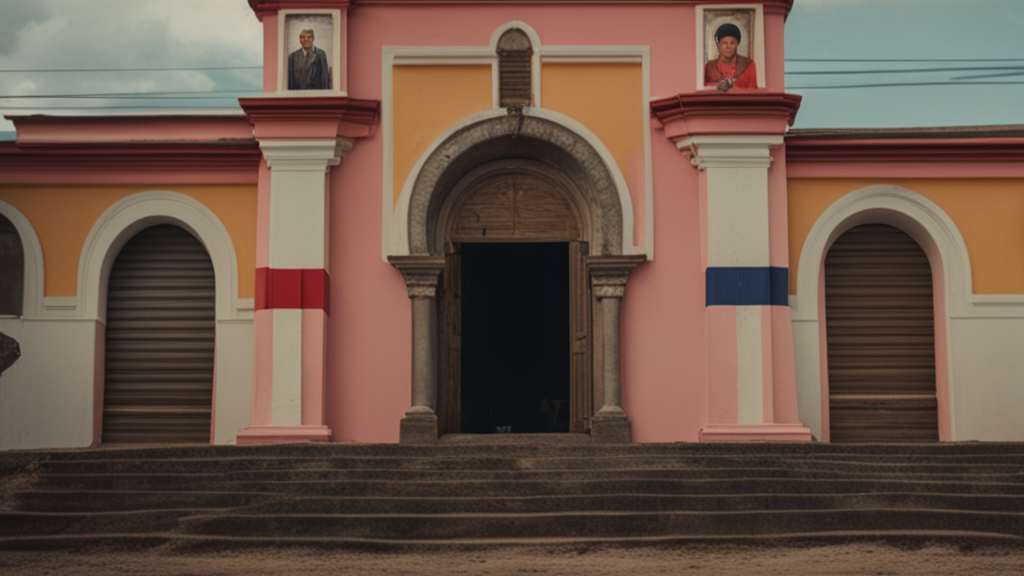
Silenced in Nicaragua: What Dictators Can’t Kill—and What the Church Must Do Now
The Hidden Spiritual Conflict
News from Nicaragua is sobering: pastors pressured, Catholic and Protestant ministries restricted, Christian education stifled, and the public square narrowed for faithful witness. For many, the immediate instinct is outrage or helplessness. Yet Scripture insists there is more happening than meets the eye. We’re watching not only a clash of ideologies, but a clash of kingdoms—an ancient contest between the powers of darkness and the Kingdom of God.
The Bible unmasks this dimension plainly: “For we do not wrestle against flesh and blood, but against the rulers, against the authorities, against the cosmic powers over this present darkness” (Ephesians 6:12). That means political pressure is never merely political; it is spiritual pressure. When a regime tries to silence prayer, preaching, discipleship, and mercy, it’s participating—knowingly or not—in a spiritual strategy to mute the witness of Jesus.
But the enemy has a chronic problem: the more he crushes the Church, the more the gospel spreads. In Acts, persecution did not extinguish the flame; it became the wind that carried sparks across the map. “There arose on that day a great persecution... and those who were scattered went about preaching the word” (Acts 8:1,4). The same pattern repeats through history: pressure produces purity, courage, and multiplication.
Consider three biblical frames to understand the moment:
-
The Test: God often refines His people under pressure. “In this you rejoice, though now for a little while... you have been grieved by various trials, so that the tested genuineness of your faith... may be found to result in praise and glory and honor” (1 Peter 1:6-7).
-
The Witness: Oppression cannot muzzle resurrection hope. “We cannot but speak of what we have seen and heard” (Acts 4:20). When authorities demand silence, Spirit-filled believers respond with holy boldness (Acts 4:31).
-
The Lordship: No dictator dethrones Christ. “Jesus Christ... the ruler of kings on earth” (Revelation 1:5). He permits, limits, and overrules human power for His redemptive purposes (Daniel 2:21; Proverbs 21:1).
So while Nicaragua’s churches face censorship and coercion, the spiritual conflict calls the global Church to discernment, intercession, and courageous solidarity. We must resist two temptations: naïveté that treats this as merely political theater, and despair that forgets heaven’s throne is occupied. The cross looked like defeat; it was the world’s victory (Colossians 2:15). The Spirit turns midnight into morning.
What the Bible Really Says
Scripture does not romanticize suffering, nor does it deny the legitimacy of crying out for justice. It simply teaches that Christ governs the furnace and walks with His people in the fire (Daniel 3:24-25). Here are biblical anchors for a time like this.
1) The Church’s Voice Belongs to God, Not the State
When authorities commanded the apostles to stop teaching in Jesus’ name, Peter and the apostles replied, “We must obey God rather than men” (Acts 5:29). This is not an excuse for chaos; it is the conscience of the Church. The State is God’s servant for justice (Romans 13:1-4), but it becomes a false god when it demands what belongs to God alone—worship, ultimate allegiance, and the silencing of gospel proclamation. The moment a regime prohibits obedience to Christ, believers must practice respectful but unflinching civil disobedience, counting the cost (Luke 14:27-33).
2) Persecution Is Normal, Not Strange
Peter cautions: “Beloved, do not be surprised at the fiery trial when it comes upon you to test you” (1 Peter 4:12). Paul writes, “Indeed, all who desire to live a godly life in Christ Jesus will be persecuted” (2 Timothy 3:12). This does not mean persecution is good; it means it is expected in a fallen world that resists the reign of Christ. When believers in Nicaragua face intimidation, they join a global, historical line of witnesses whose faith confounds tyrants and outlives empires (Hebrews 11:35-38).
3) Prayer Is Strategic, Not Sentimental
The early church didn’t merely vent; they prayed Scripture under pressure. “Sovereign Lord... who through the mouth of our father David... said... ‘Why did the Gentiles rage...?’” (Acts 4:24-26). They asked for boldness, not safety alone: “Grant to your servants to continue to speak your word with all boldness” (Acts 4:29). The result? “They were all filled with the Holy Spirit and continued to speak the word of God with boldness” (Acts 4:31). Prayer is the Church’s air support in spiritual warfare (Ephesians 6:18).
4) The Gospel Cannot Be Chained
Paul wrote his freest letters from chains. “I want you to know, brothers, that what has happened to me has really served to advance the gospel” (Philippians 1:12). Even when the messenger is bound, “the word of God is not bound!” (2 Timothy 2:9). Silencing campaigns often amplify curiosity; closed doors drive the Church to house meetings, discipleship in exile, and digital evangelism that regimes can’t fully dam.
5) Justice Matters—and Belongs to God
Believers seek the good of their cities (Jeremiah 29:7), defend the oppressed (Isaiah 1:17), and speak truth to power (Amos 5:24). But vengeance is never ours: “Beloved, never avenge yourselves, but leave it to the wrath of God” (Romans 12:19). We advocate for religious freedom and human dignity, appeal to lawful protections where possible (Acts 22:25), and entrust ultimate judgment to the Lord who “will bring every deed into judgment” (Ecclesiastes 12:14).
6) Fear Is Cast Out by Perfect Love
Authoritarian pressure tries to colonize the imagination with fear. But “there is no fear in love, but perfect love casts out fear” (1 John 4:18). Courage is not bravado; it’s confidence that the Father sees, the Son reigns, and the Spirit empowers. Jesus’ promise still stands: “I will build my church, and the gates of hell shall not prevail against it” (Matthew 16:18).
7) The Beatitudes Reframe the Moment
Jesus calls the persecuted blessed—not because pain is good, but because their reward is secure: “Blessed are those who are persecuted for righteousness’ sake, for theirs is the kingdom of heaven... Rejoice and be glad, for your reward is great in heaven” (Matthew 5:10-12). This perspective frees believers to endure with joy, to forgive enemies (Matthew 5:44), and to keep shining when the world goes dim (Matthew 5:14-16).
3 Steps for Believers Today
The news cycle can breed despair or numbness. Scripture calls us to decisive, hope-filled action. Here are three steps the global Church can take—immediately.
Step 1: Intercede with Focused, Ongoing Prayer
Commit to sustained prayer for Nicaragua. Don’t just pray generally—pray biblically.
- Pray Acts 4:29-31 for boldness and fresh filling of the Holy Spirit.
- Pray Psalm 91 for protection over pastors, families, and congregations.
- Pray 1 Timothy 2:1-2 for rulers and all in high positions, that they would allow “a peaceful and quiet life, godly and dignified in every way.”
- Pray Proverbs 21:1—that the hearts of rulers would be turned like streams of water by the Lord.
- Pray Hebrews 13:3—that we would “remember those who are in prison, as though in prison with them.”
Set alarms, start prayer chains, and add Nicaragua to your church’s liturgy and small group rhythms. Fast weekly or monthly (Matthew 6:16-18). Intercession is not a footnote to activism; it is the frontline.
Step 2: Strengthen the Underground—Give, Advocate, Equip
-
Give: Support trusted ministries serving Nicaraguan believers—Bible distribution, pastoral care, legal aid, trauma counseling, secure tech for discipleship. “If one member suffers, all suffer together” (1 Corinthians 12:26).
-
Advocate: Use lawful channels to champion religious freedom: write to representatives, partner with credible advocacy groups, and amplify accurate reports. Paul used his Roman citizenship as a tool for mission (Acts 22:25; Acts 25:11). We can use ours for our brothers and sisters.
-
Equip: Churches everywhere should train members in resilient discipleship—house-church rhythms (Acts 2:42-47), Scripture memory (Psalm 119:11), digital security, and stewardship of suffering (Philippians 1:29). Prepare your church for a world where bold faith may cost.
This isn’t distant charity; it’s family care. “So then, as we have opportunity, let us do good to everyone, and especially to those who are of the household of faith” (Galatians 6:10).
Step 3: Live the Sermon on the Mount Publicly
Our most persuasive apologetic under pressure is Christlike character. Resist the pull to hatred or cynicism. Practice:
- Truthfulness without slander (Ephesians 4:25).
- Meekness with conviction (Matthew 5:5; 1 Peter 3:15).
- Enemy-love in real action—pray for persecutors (Matthew 5:44), refuse dehumanization (Genesis 1:27), bless those who curse you (Romans 12:14).
- Joy anchored in hope (Romans 12:12), generosity to the needy (Proverbs 19:17), hospitality to the marginalized (Hebrews 13:2).
When the Church lives like this, regimes lose their narrative. The world sees a kingdom not of this world but deeply for this world—salt and light no ban can quarantine (Matthew 5:13-16).
A Prayer for Nicaraguan Christians Silenced by Dictatorship
Sovereign Lord, Maker of heaven and earth (Acts 4:24), we lift our voices for our brothers and sisters in Nicaragua. You hear the groans of the oppressed and keep their tears in Your bottle (Psalm 56:8). Stretch out Your hand to protect pastors, families, and congregations. Grant them to speak Your word with all boldness, while You perform signs of grace and transformation in Jesus’ name (Acts 4:29-30).
Turn the hearts of rulers as streams of water in Your hand (Proverbs 21:1). Expose injustice, restrain evil, and let justice roll down like waters and righteousness like an ever-flowing stream (Amos 5:24). Teach Your Church to endure, to forgive, and to love enemies as Christ loved us (Matthew 5:44; Romans 5:8).
Fill Nicaraguan believers with the Holy Spirit (Ephesians 5:18). Hide them under the shadow of Your wings (Psalm 17:8). Open doors no one can shut for the gospel (Revelation 3:8). Let the word of the Lord speed ahead and be honored (2 Thessalonians 3:1), and let many turn from darkness to light and from the power of Satan to God (Acts 26:18).
Strengthen the global Church to remember the imprisoned (Hebrews 13:3), to give generously (2 Corinthians 9:7-8), and to stand firm in one Spirit with one mind, striving side by side for the faith of the gospel (Philippians 1:27). And in all things, magnify Jesus Christ, the ruler of kings on earth (Revelation 1:5), whose kingdom cannot be shaken (Hebrews 12:28). Amen.
—
If you’re reading this, here is your next move: set a daily reminder to pray Acts 4:29-31 for Nicaragua, give to a trusted ministry serving believers there, and invite your small group to fast and intercede this week. Do not underestimate your role. The gospel is not chained (2 Timothy 2:9), and your obedience today can strengthen those standing in the fire. May Christ’s Church rise—bold, pure, and un-silenceable.
Did this resonate nicely?