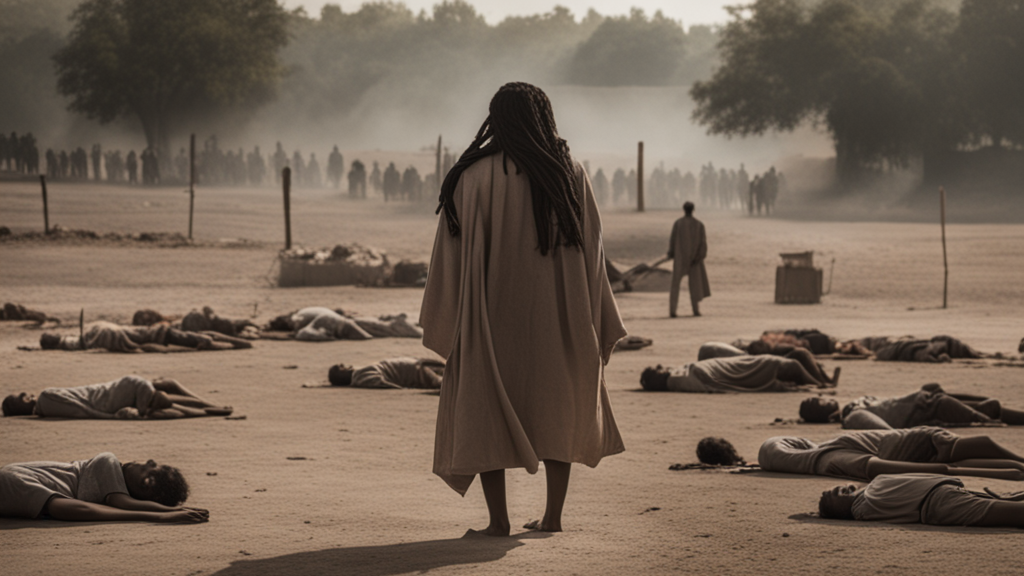
Worship Is Now a Crime? Christian Killings Surge as Persecution Hits a Historic High
The Hidden Spiritual Conflict
The headline is not clickbait—it’s the daily reality for millions. Across regions in Africa, the Middle East, and parts of Asia, Christians face surveillance, forced displacement, blasphemy accusations, abductions, and murder. Worship, Bible study, house church gatherings, and even digital evangelism are increasingly policed. When worship becomes a "crime," society reveals its deeper fear: not of Christians, but of Christ’s lordship.
This is the pattern Scripture prepares us for. Persecution is not an anomaly; it is a recurring symptom of spiritual war. Paul writes, "we do not wrestle against flesh and blood, but against the rulers, against the authorities, against the cosmic powers over this present darkness" (Ephesians 6:12). Human actors—governments, mobs, militias—are real. But beneath them moves an ancient hostility toward the Gospel of the kingdom.
Why does this matter now? Because the world is distracted. Algorithms reward outrage, and outrage anesthetizes prayer. We doom-scroll a martyrdom we no longer feel. Meanwhile, believers in hostile regions keep meeting, keep singing, keep baptizing—often knowing it could be their last act. Their courage confronts our comfort. Their cost invites our repentance.
The hidden conflict also explains the cultural contradictions of our moment:
- Technology amplifies both witness and repression. Smartphones carry Scripture into closed nations—and carry informants to secret congregations.
- Polarization hardens hearts. In some contexts, political nationalism or extremist ideology equates Christian identity with treason, making violence feel like patriotic duty.
- Legal frameworks shift subtly. Vague “anti-conversion” or “hate speech” laws become tools to criminalize basic Christian obedience: evangelism (Matthew 28:18–20), gathering (Hebrews 10:25), and confessing Christ publicly (Romans 10:9–10).
Yet Scripture insists: persecution cannot silence the Church. The blood of the saints is not the Church’s end; it is often her seed (compare John 12:24). Jesus promised, "I will build my church, and the gates of hell shall not prevail against it" (Matthew 16:18). Gates don’t attack; they restrain. The Church advances. Even now.
What the Bible Really Says
The Bible does not romanticize persecution; it interprets it. From Genesis to Revelation, God names the pattern and defines the promise.
1) Persecution is expected for faithful disciples
Jesus prepares His followers bluntly: "If the world hates you, know that it has hated me before it hated you" (John 15:18). He continues, "A servant is not greater than his master. If they persecuted me, they will also persecute you" (John 15:20). Paul echoes this: "Indeed, all who desire to live a godly life in Christ Jesus will be persecuted" (2 Timothy 3:12).
This is not pessimism; it is clarity. When worship becomes costly, Scripture says we are on the narrow road (Matthew 7:13–14). The cost confirms the Kingdom.
2) Suffering is fellowship with Christ—and a witness to the world
Peter reframes suffering as participation:
"But rejoice insofar as you share Christ’s sufferings, that you may also rejoice and be glad when his glory is revealed." (1 Peter 4:13)
Paul writes from prison, seeing chains as a platform:
"I want you to know, brothers, that what has happened to me has really served to advance the gospel." (Philippians 1:12)
When believers face violence without hatred, and pressure without compromise, the world sees a power it cannot explain (Acts 4:13). That is witness.
3) The Church’s mission does not pause under persecution—it multiplies
Acts opens with a Spirit-filled Church and quickly records opposition (Acts 4–5). When Stephen is martyred, persecution scatters believers—who then carry the Gospel farther (Acts 8:1–4). The pattern holds: what the enemy intends for harm, God wields for expansion (Genesis 50:20). Jesus’ Great Commission stands, unamended by threats (Matthew 28:18–20).
4) God hears the cries of the persecuted—and will judge righteously
Revelation unveils heaven’s courtroom: martyrs cry out, "O Sovereign Lord, holy and true, how long before you will judge and avenge our blood on those who dwell on the earth?" (Revelation 6:10). The answer is not indifference but timing—God’s justice will be perfect and public (Revelation 19:2). In the meantime, He promises presence: "I will never leave you nor forsake you" (Hebrews 13:5), and strength: "My grace is sufficient for you, for my power is made perfect in weakness" (2 Corinthians 12:9).
5) Prayer is not the Church’s last resort—it is her first weapon
Paul urges intercession "for all people, for kings and all who are in high positions" (1 Timothy 2:1–2). Why? Because God "desires all people to be saved" (1 Timothy 2:4). We pray for persecuted believers, for their enemies’ salvation, for just laws, and for spiritual boldness: "And now, Lord, look upon their threats and grant to your servants to continue to speak your word with all boldness" (Acts 4:29).
6) Love your enemies does not cancel pursuit of justice
Jesus commands, "Love your enemies and pray for those who persecute you" (Matthew 5:44). This is not passive; it is prophetic. Loving enemies includes telling the truth, seeking their repentance, and pursuing righteous justice where possible (Proverbs 21:3; Micah 6:8; Romans 13:3–4). The Church holds two convictions without contradiction: mercy extended, and evil restrained.
7) Fear is not our inheritance
Christians are not called to naïveté, but neither are we licensed to panic. "God gave us a spirit not of fear but of power and love and self-control" (2 Timothy 1:7). Fear shrinks witness; love expands it. Jesus said, "Do not fear those who kill the body but cannot kill the soul" (Matthew 10:28). Eternity relativizes terror.
3 Steps for Believers Today
This is not a spectator story. If worship is being criminalized, the global Church must answer with faith, wisdom, and action. Here are three biblically grounded steps for every believer and congregation.
Step 1: Pray strategically and persistently
General prayers are good; targeted prayers are powerful. Use Scripture to guide intercession.
-
Pray for endurance and joy under pressure:
"May you be strengthened with all power, according to his glorious might, for all endurance and patience with joy." (Colossians 1:11)
-
Pray for bold proclamation and miraculous confirmation:
"Grant to your servants to continue to speak your word with all boldness, while you stretch out your hand to heal." (Acts 4:29–30)
-
Pray for leaders and lawmakers to enact justice and protect conscience:
"By me kings reign, and rulers decree what is just." (Proverbs 8:15)
-
Pray for persecutors’ salvation:
"Saul was ravaging the church" (Acts 8:3) before Jesus transformed him into Paul, the apostle to the nations (Acts 9:1–22). What God did once, He can do again.
Practical action: Establish a weekly prayer rhythm for the persecuted Church. Adopt a nation or region. Use reputable prayer resources and reports to intercede by name. Fast monthly. Keep a record of answered prayer to fuel endurance (1 Thessalonians 5:17–18).
Step 2: Prepare the Church for resilience, not retreat
Suffering exposes theological gaps. Pastors and small group leaders must teach a robust theology of persecution and presence.
-
Ground discipleship in the cross: Jesus said, "If anyone would come after me, let him deny himself and take up his cross daily and follow me" (Luke 9:23). Normalize costly obedience.
-
Practice Hebrews 10:24–25 now: strengthen the habit of gathering, encouraging, and stirring one another to love and good works—so believers do not drift when pressure comes.
-
Equip digital wisdom: In a surveillance age, teach believers how to share the Gospel wisely online, protect vulnerable contacts, and steward tech without fear or recklessness (Matthew 10:16).
-
Cultivate practical mutual care: Create benevolence funds, legal aid connections, trauma care pathways, and secure communication channels for missionaries and partners. The early church “had all things in common” and met needs materially (Acts 4:32–35). Spiritual courage grows in practical community.
-
Tell the stories: Read biographies of sufferers who stayed faithful—Stephen (Acts 7), Paul (2 Corinthians 11:23–28), the churches of Smyrna and Philadelphia (Revelation 2:8–11; 3:7–13). Witness strengthens witness.
Practical action: Host a "Prepare to Stand" series in your church. Include biblical teaching, digital security basics, and a practical response plan for local hostility. Commission prayer teams to intercede during services and small groups.
Step 3: Advocate with wisdom and integrity
We pray and we act. Scripture calls God’s people to seek the good of the city (Jeremiah 29:7), to do justice and love mercy (Micah 6:8), and to speak for those who cannot (Proverbs 31:8–9).
-
Engage policy with courage and clarity. Advocate for international religious freedom, asylum for the persecuted, and repeal of laws that criminalize conversion or blasphemy. Paul used his Roman citizenship to advance the Gospel and protect the mission (Acts 22:25–29; 25:11).
-
Partner with credible organizations providing on-the-ground support: legal defense, relocation, trauma care, and discipleship. Let generosity be strategic and sustained (2 Corinthians 9:7–11).
-
Live a public faith with humble boldness. Do not outsource witness to the persecuted. In free societies, confess Christ openly, love enemies visibly, and serve communities sacrificially (Matthew 5:14–16). Let the world see a love stronger than death (Song of Solomon 8:6; Romans 8:35–39).
Practical action: Write to representatives about religious liberty measures. Sponsor a family displaced for their faith. Allocate a percentage of your church budget to persecuted-church partners. Train volunteers for trauma-informed care. Keep receipts in heaven (Matthew 6:20–21).
A Prayer for Worshipers in the Fire
Father, Holy and True, we lift before You our brothers and sisters for whom worship has become a crime. You see every hidden gathering, every whispered hymn, every tear. Stretch out Your hand to strengthen them with power in the inner being (Ephesians 3:16). Fill them with the Spirit of boldness, love, and self-control (2 Timothy 1:7).
Lord Jesus, Shepherd and King, be near those in prison; open doors no man can shut (Revelation 3:8). Heal the wounded, comfort the grieving, and provide escape for those in immediate danger (Psalm 34:18–19; 2 Corinthians 1:3–5). Let Your Gospel run swiftly and be honored (2 Thessalonians 3:1).
Spirit of Truth, convict persecutors and turn many Sauls into Pauls (Acts 9:1–6). Confound lies, restrain evil, and bring just laws to nations (Proverbs 21:1). Teach Your Church to pray without ceasing, to give generously, to speak courageously, and to endure joyfully (1 Thessalonians 5:16–18; Acts 4:31).
We confess our fear and apathy. Forgive us. Awaken us to watch and work while it is day (John 9:4). Make us one body with those who suffer (Hebrews 13:3). And hasten the Day when every knee bows and every tongue confesses that Jesus Christ is Lord, to the glory of God the Father (Philippians 2:10–11). Amen.
If worship is treated as a crime, let the Church live as a holy conspiracy of love: praying, preparing, and advocating until the nations see the light of Christ. Start today—gather two friends, adopt one region, set one weekly hour to intercede, and take one concrete action for justice. "Be steadfast, immovable, always abounding in the work of the Lord" (1 Corinthians 15:58).
Did this resonate nicely?